Author: vishara

  • SSW JAPANESE COOKERY PRACTICAL SESSION DAY 01

    SSW JAPANESE COOKERY PRACTICAL SESSION DAY 01

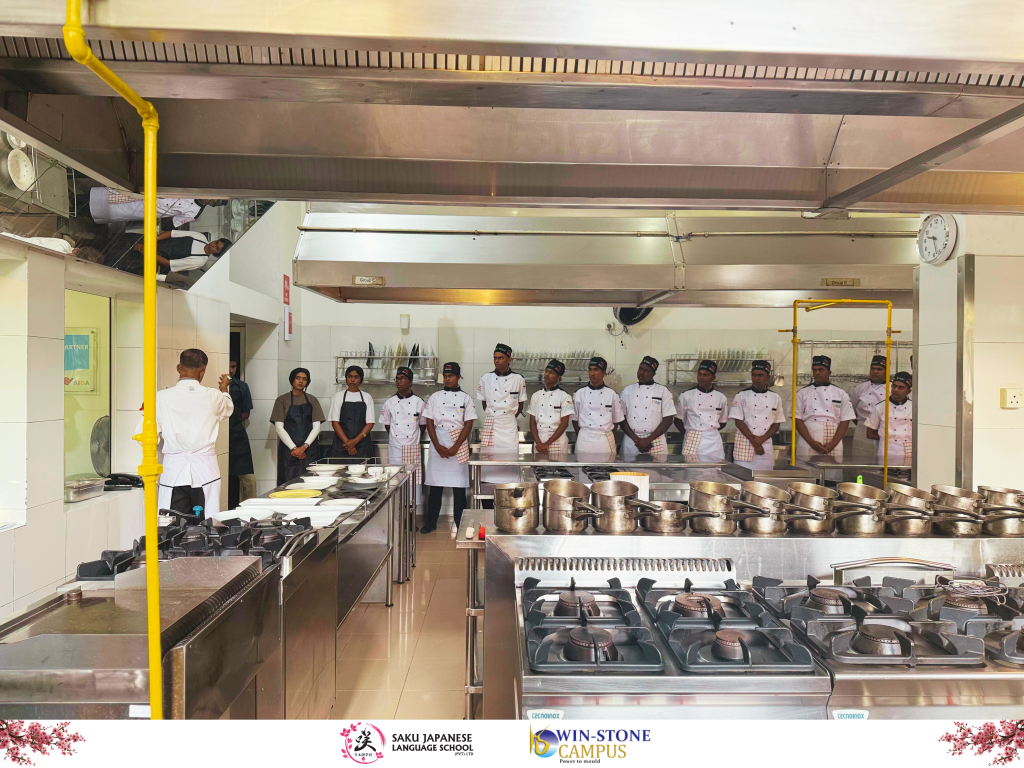
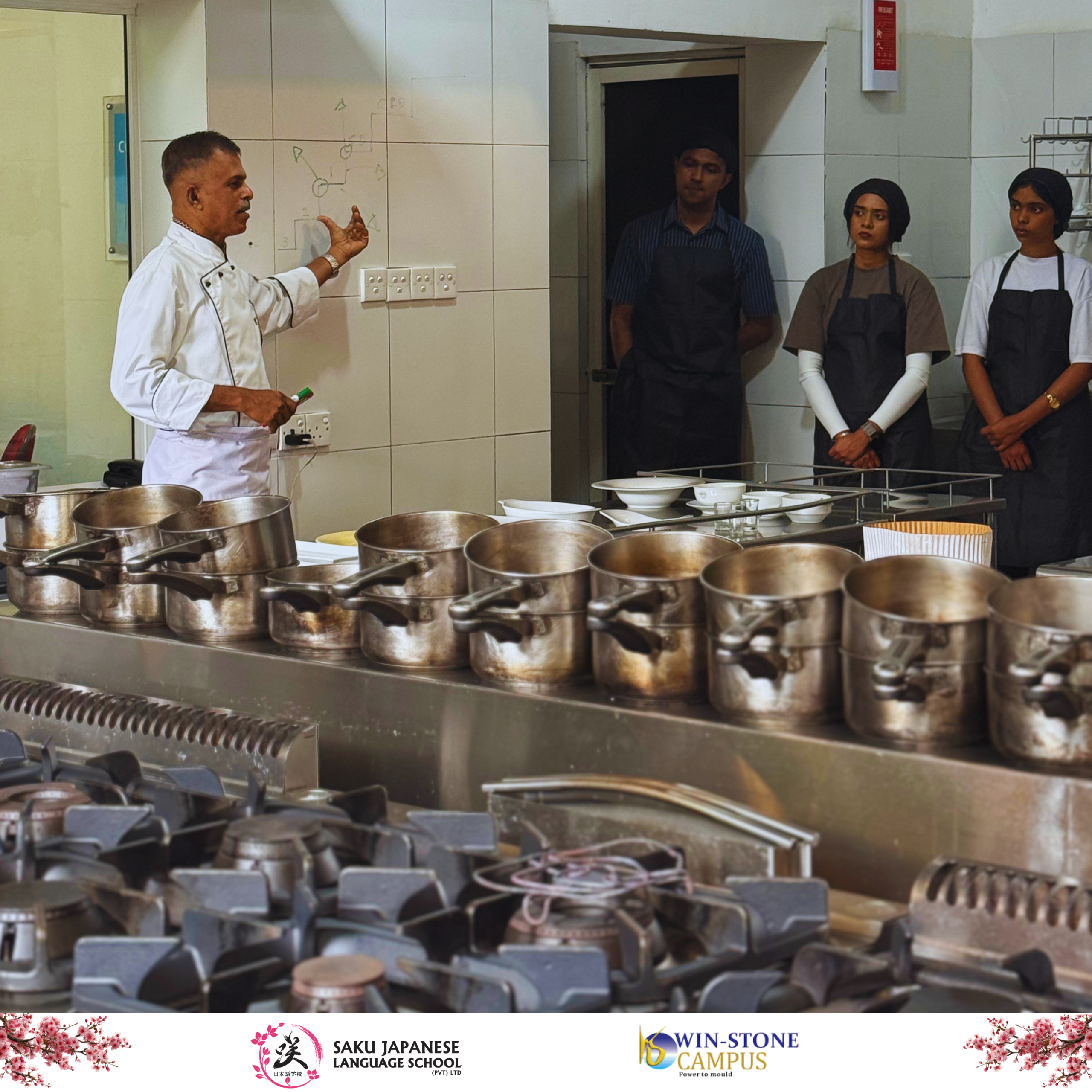
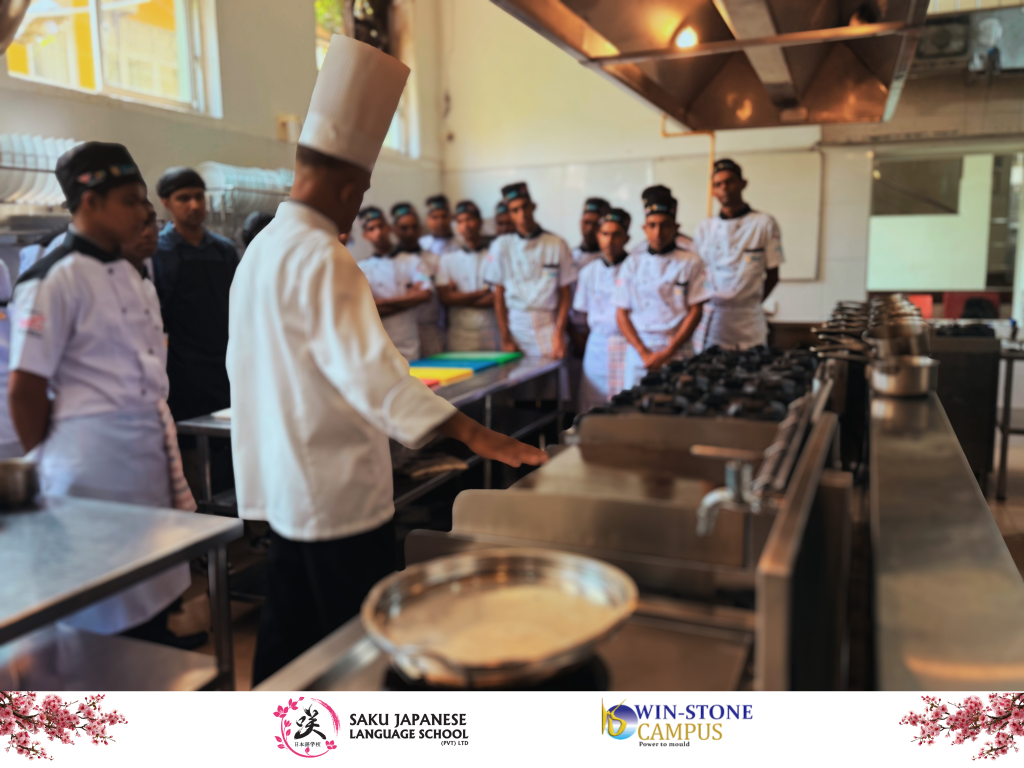
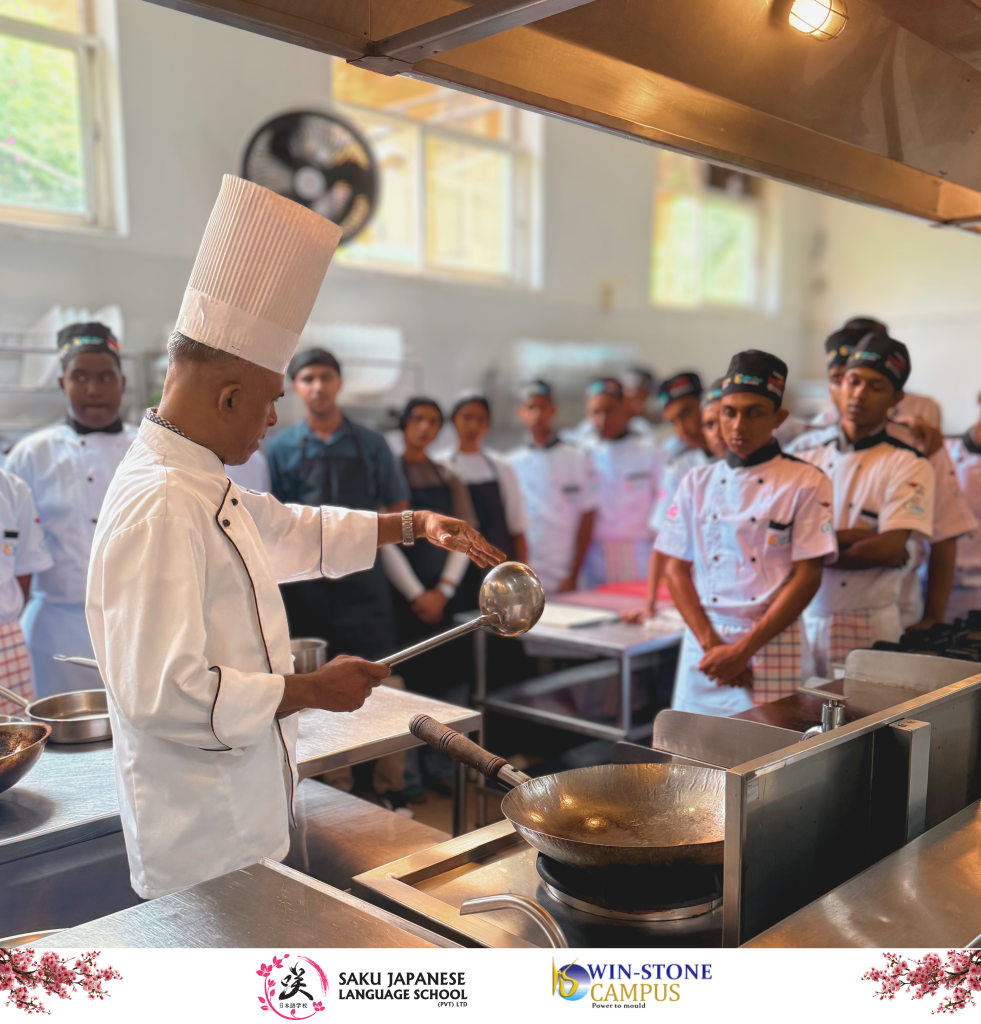
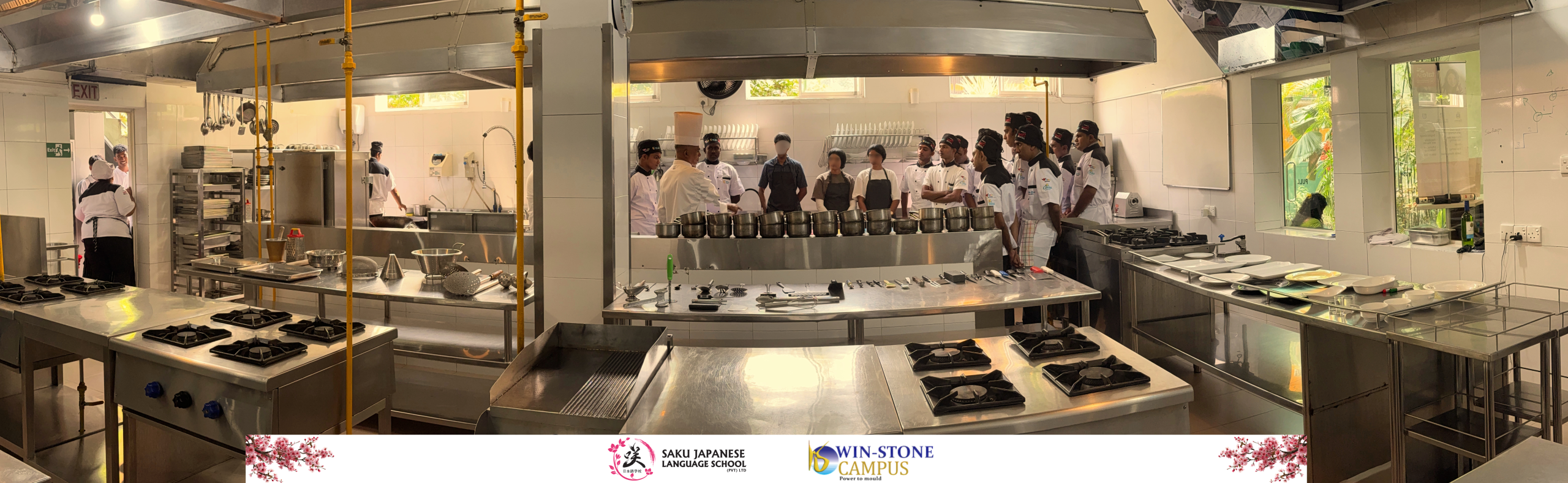
    We are delighted to announce the commencement of practical session for the SSW Japanese Cookery Course, conducted by Saku Japanese Language School in collaboration with Winstone Campus.

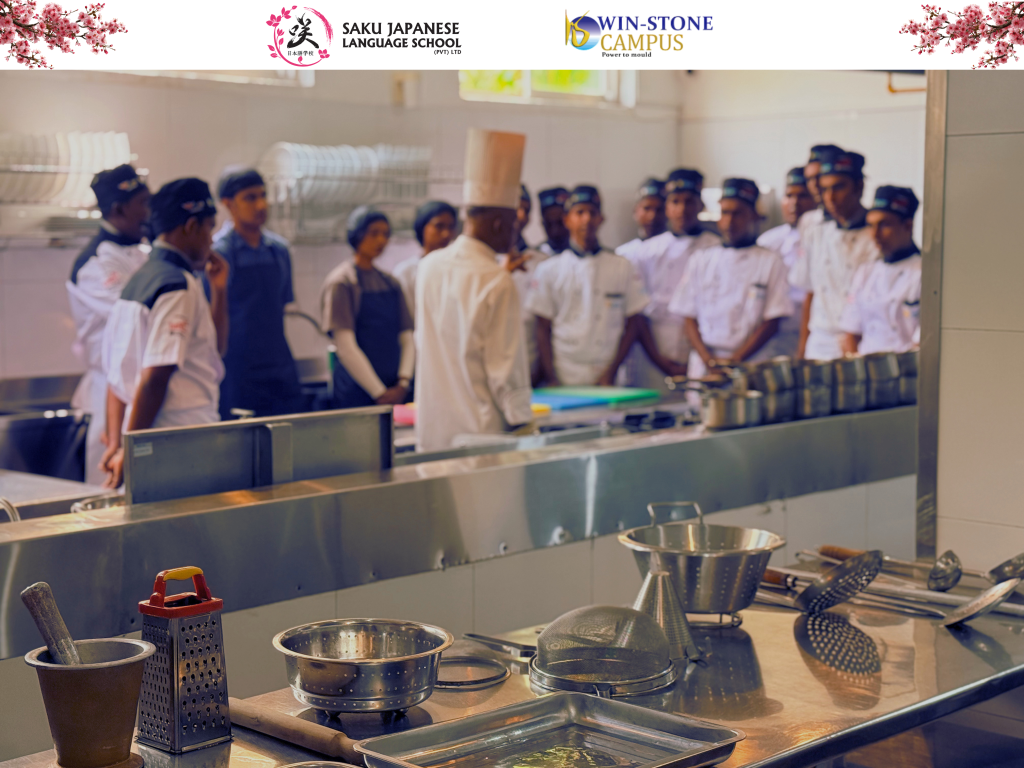
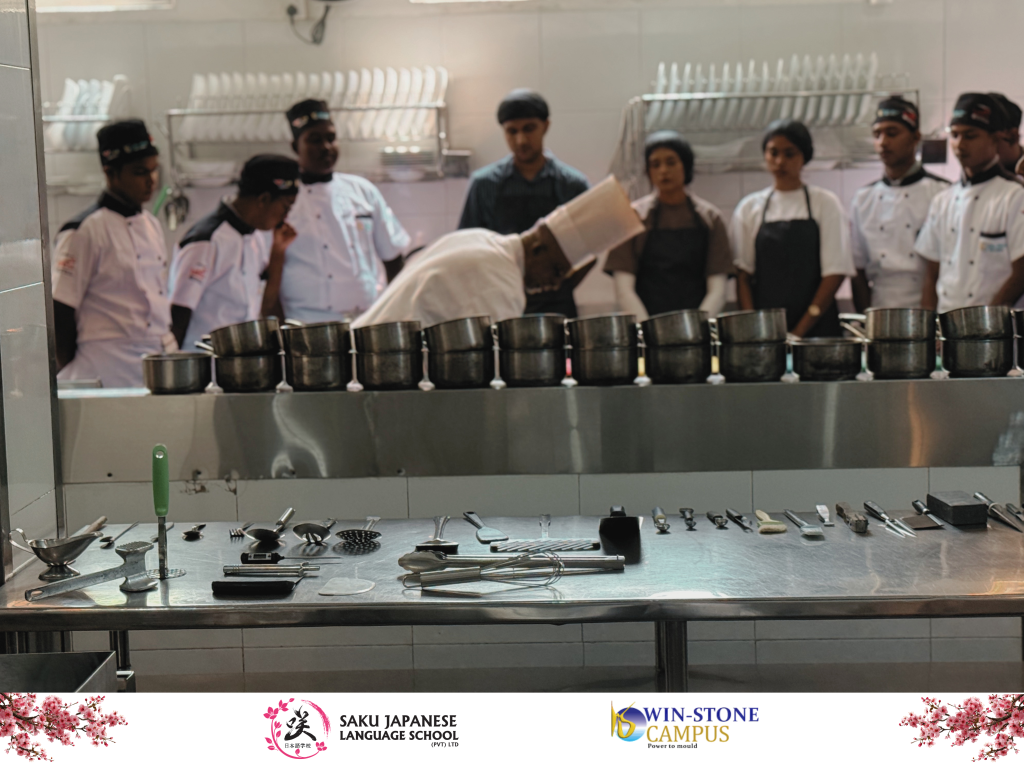
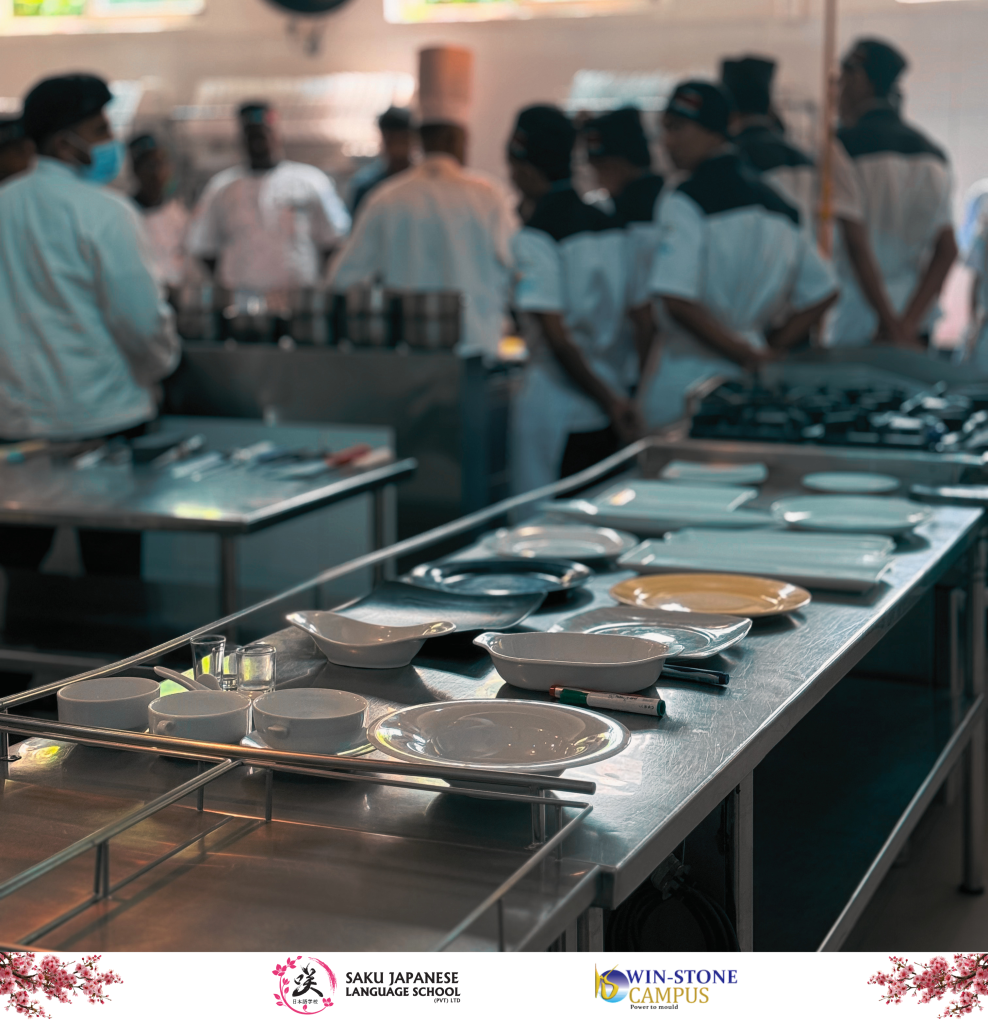
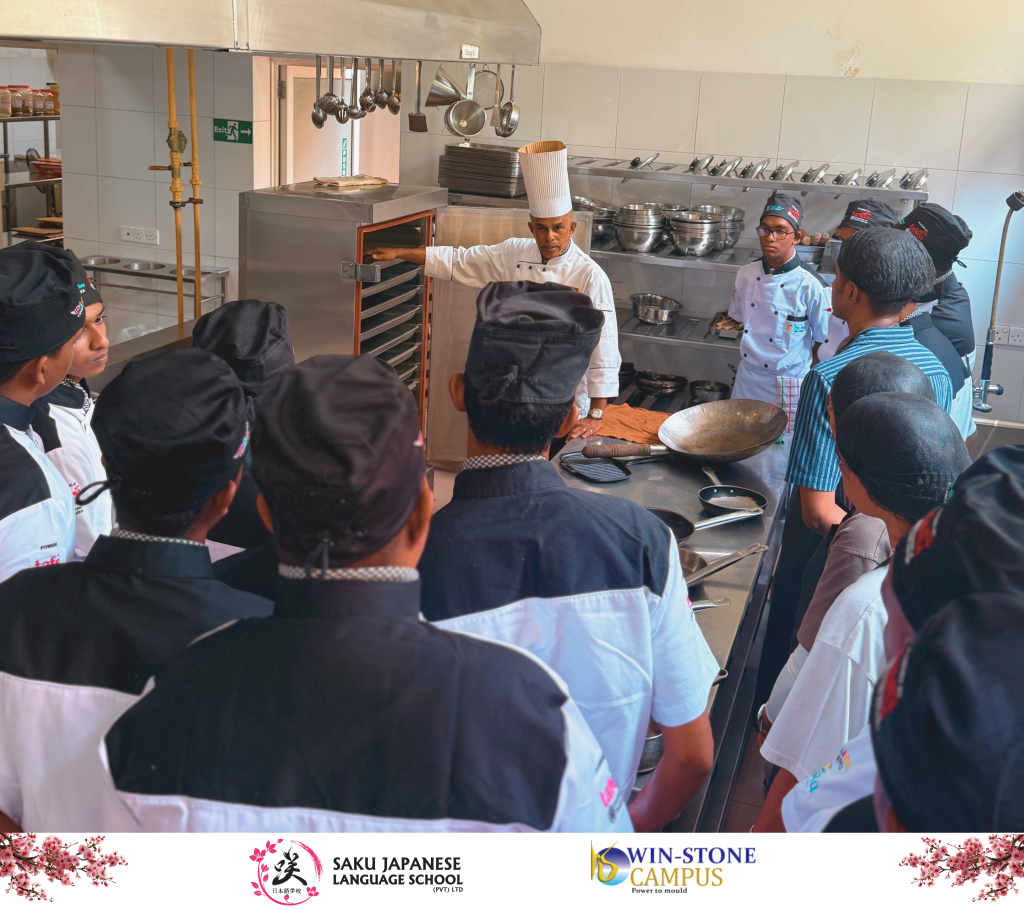
    Our journey begins with Day 1, where students gain essential knowledge about kitchen equipment; a crucial foundation for mastering Japanese culinary skills.

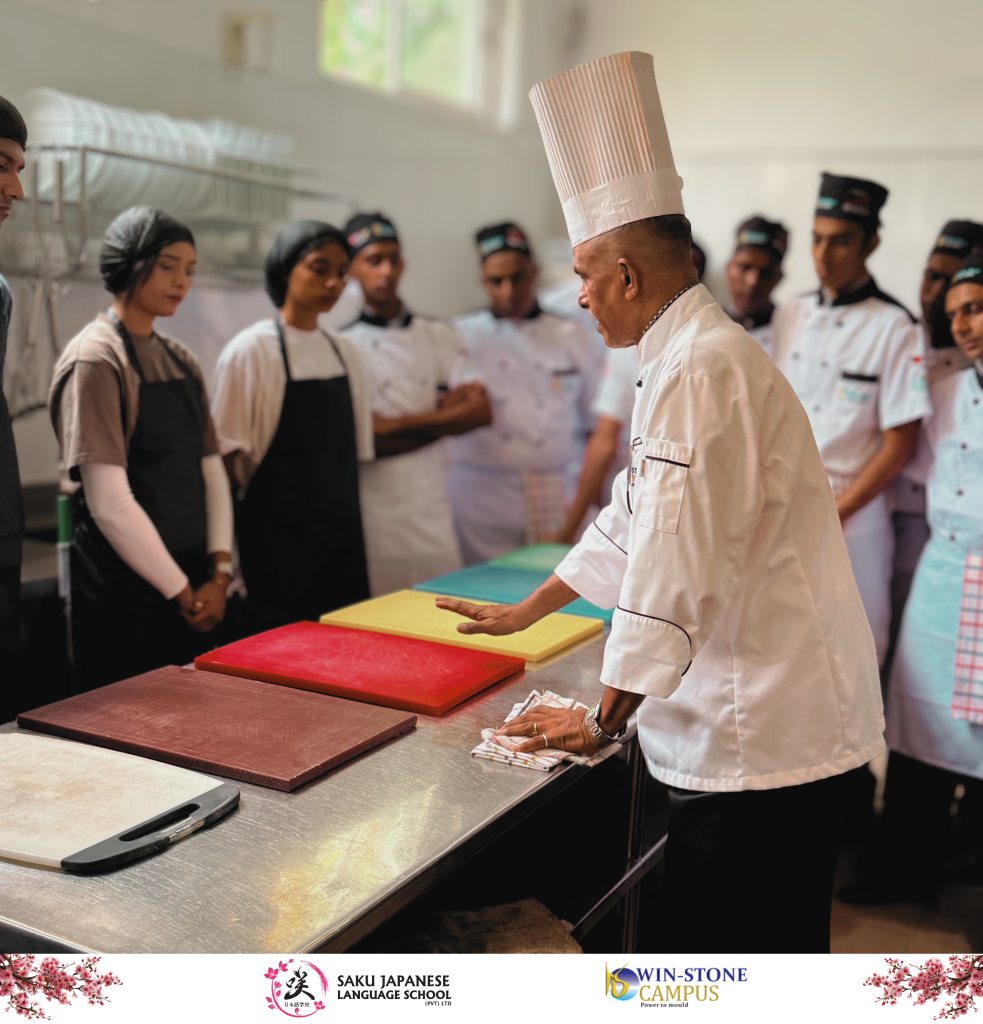
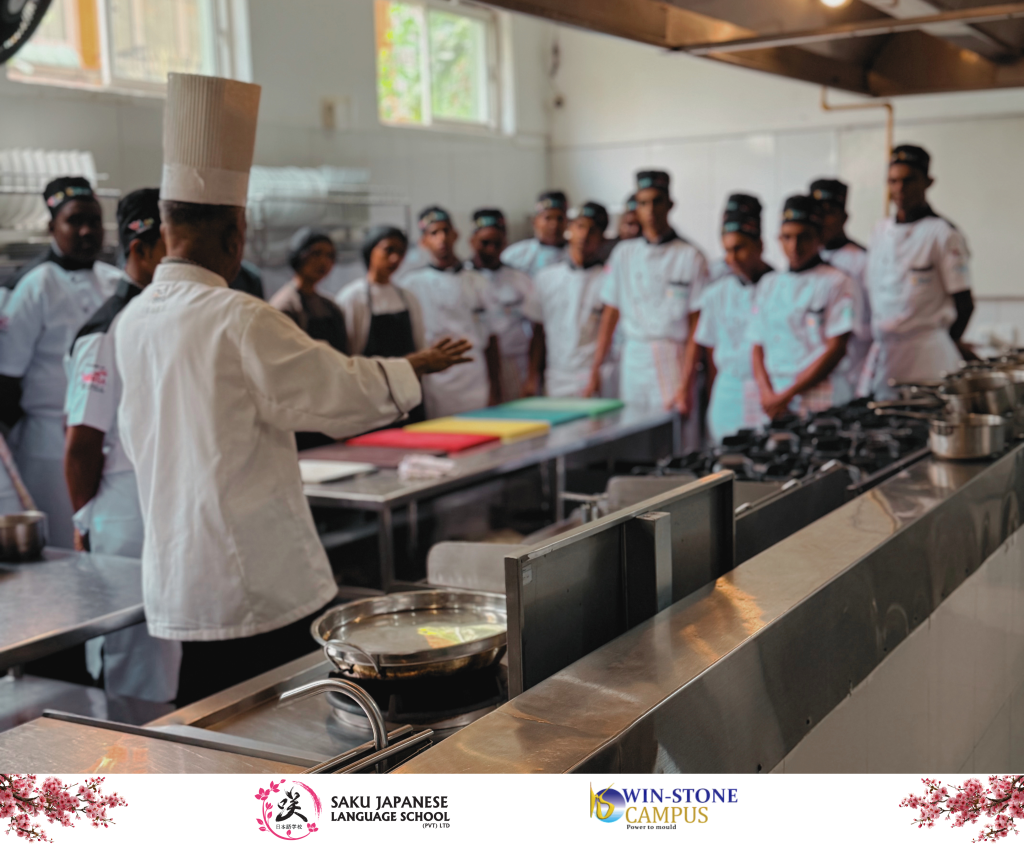
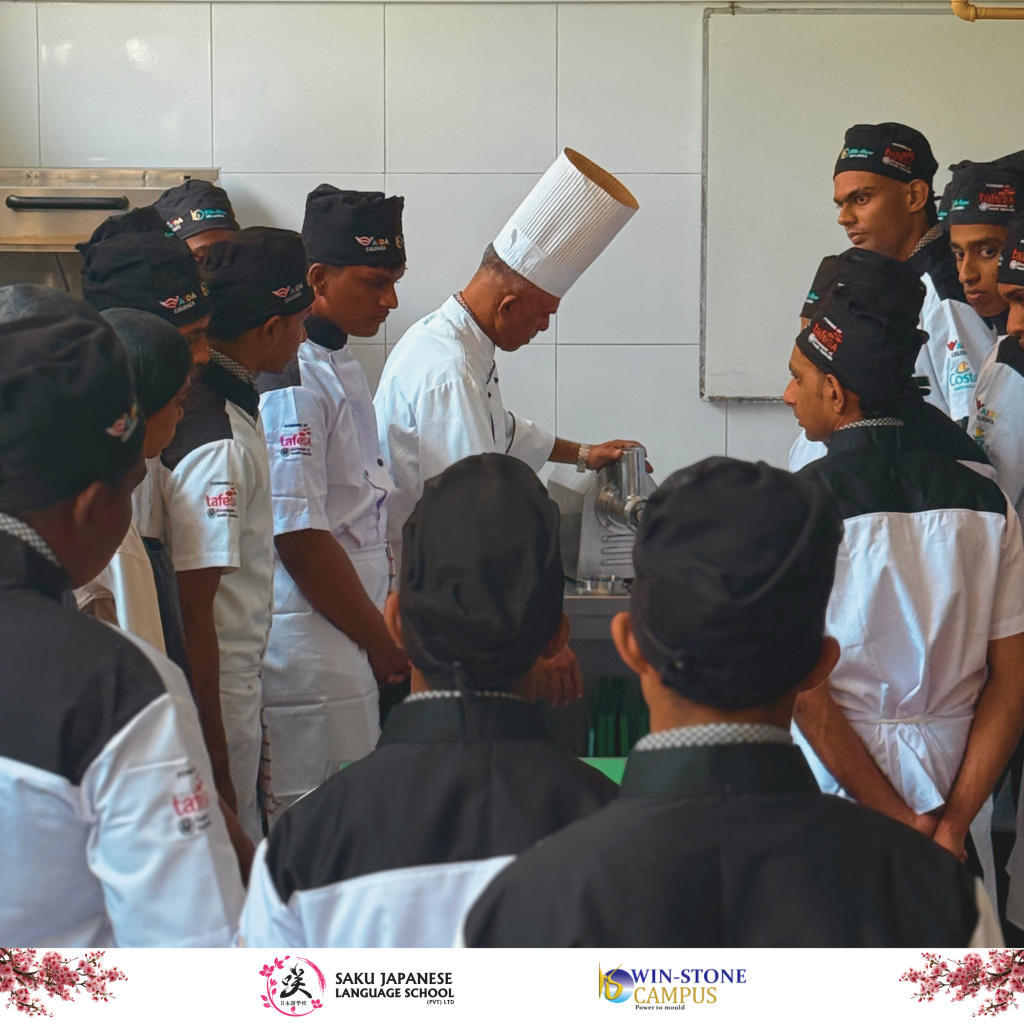
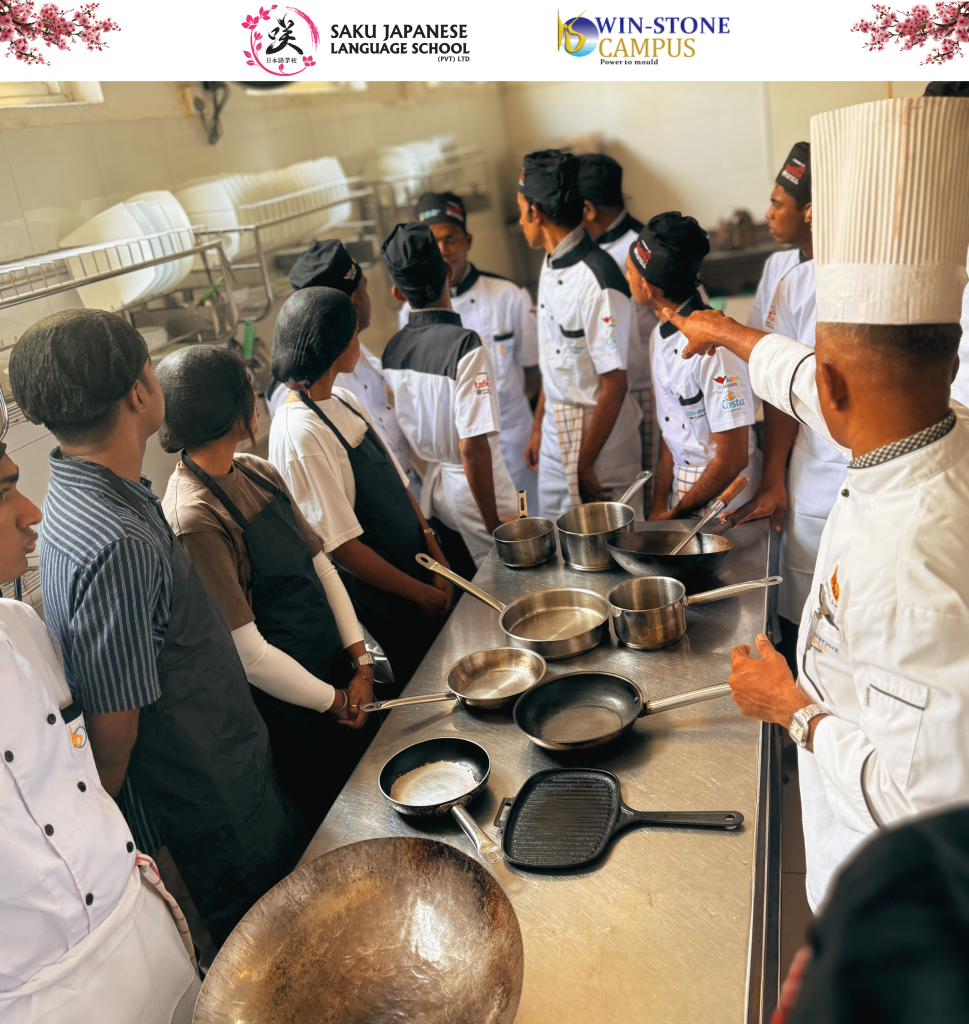
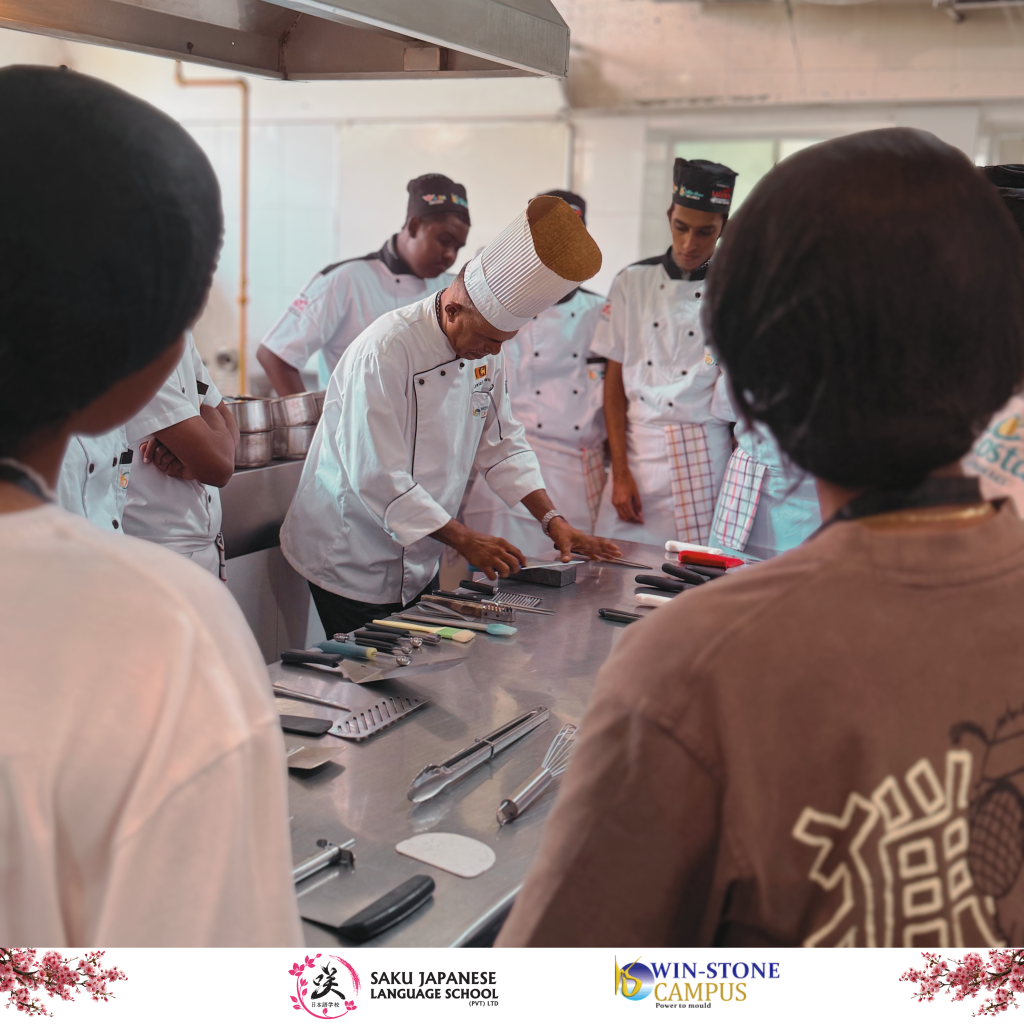
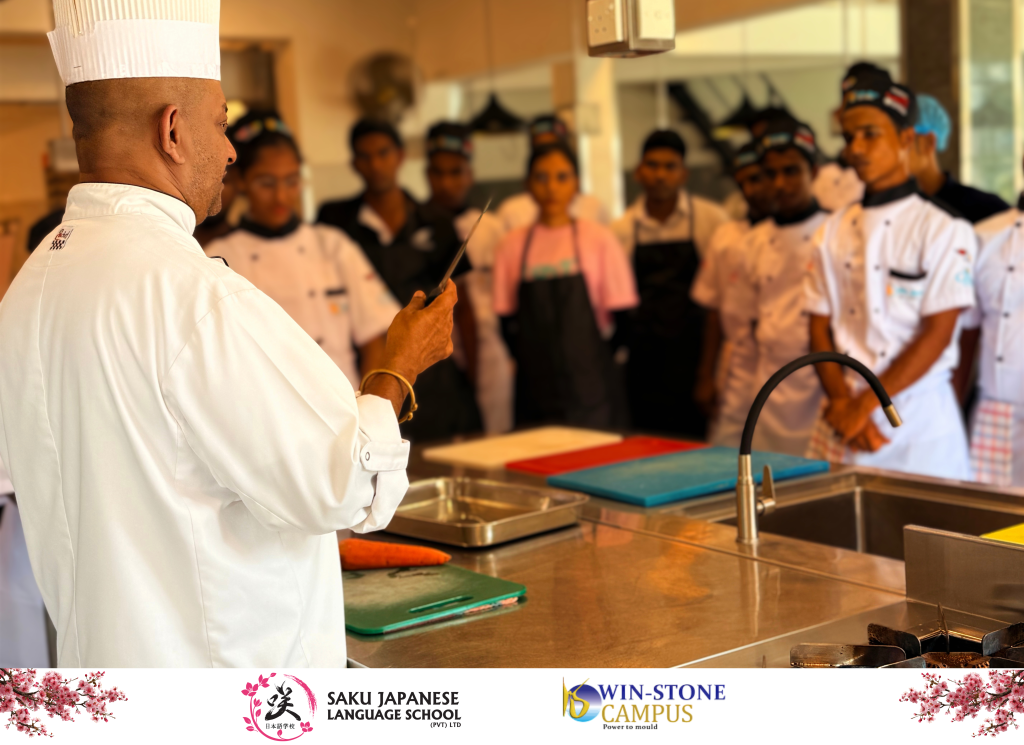
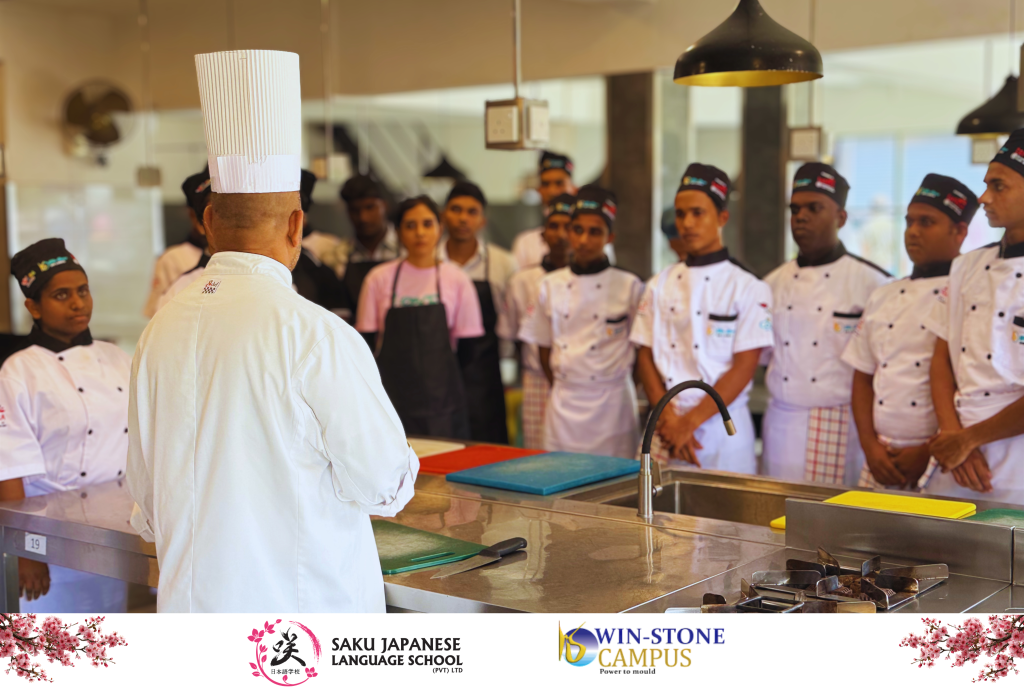
    During the practical sessions, students gained essential knowledge about kitchen equipment, including the purpose of each tool, proper usage techniques, and the situations in which they are used in professional food service settings.

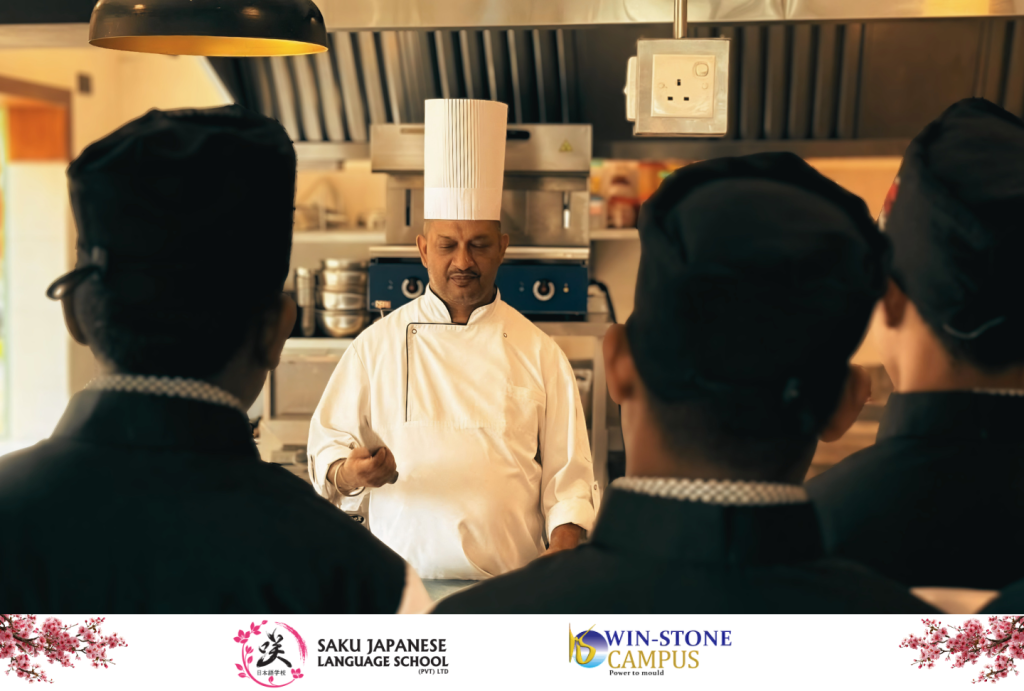
    Under the guidance of experienced chefs, students were able to strengthen their practical skills and build confidence for the Japanese food service industry.

    The fully equipped kitchen at Winstone Campus provides the perfect environment for hands-on learning, allowing students to build real practical experience with confidence.

    Session Conducted By:

    • Chef Leonard Perera
    • Chef Chathuri Jayawardene
    • Chef Saman Jayawardene
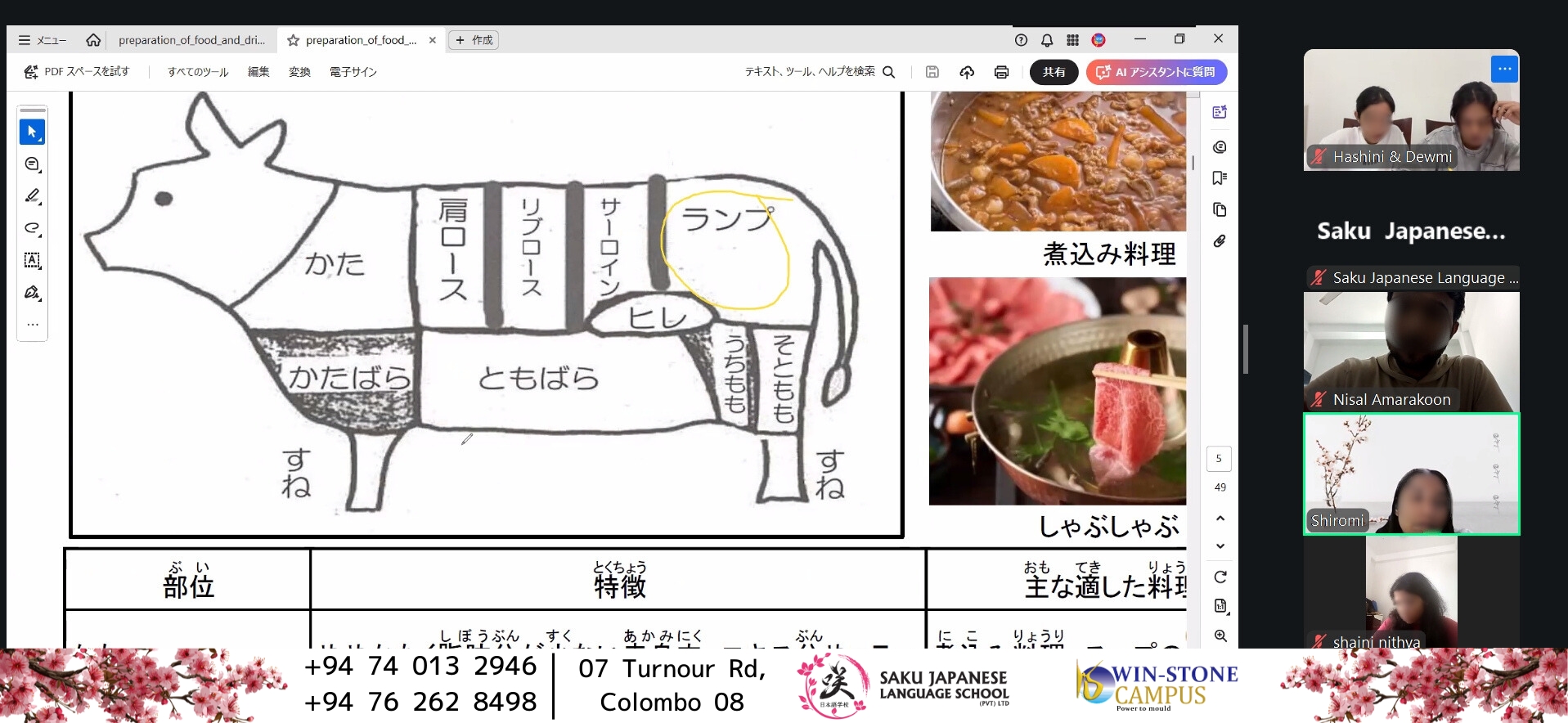
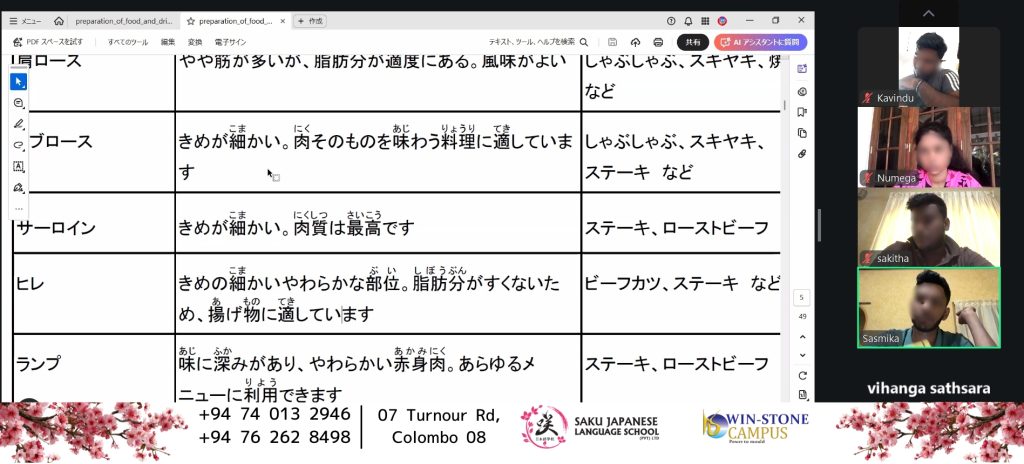
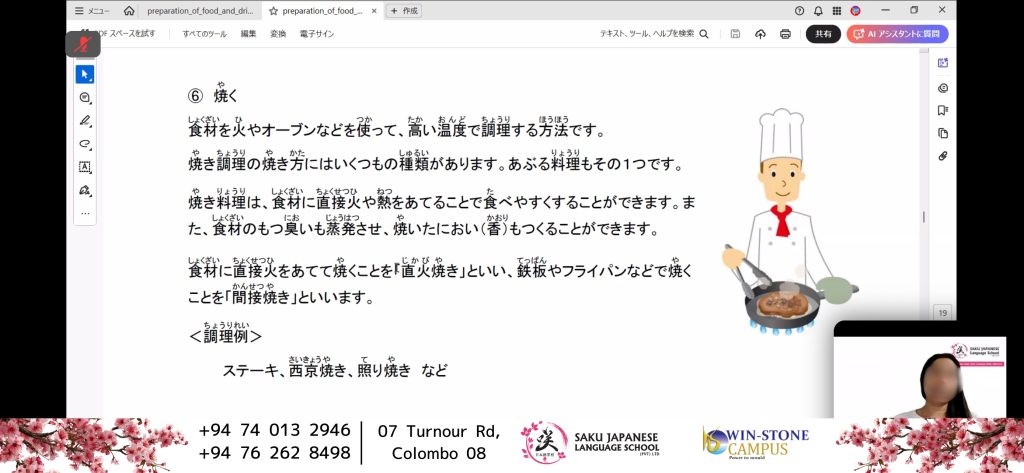
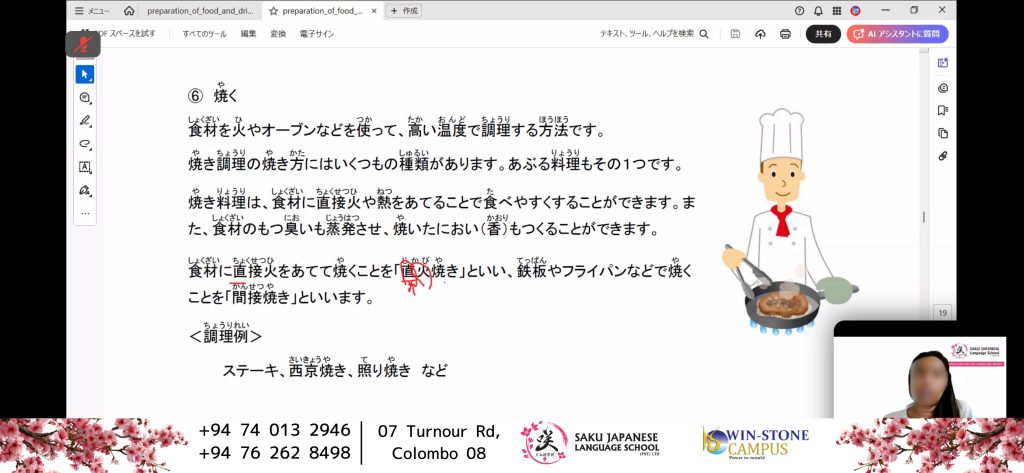
  • SSW Food Service Skill Course – Theory

    SSW Food Service Skill Course – Theory

    Date: 2026/01/14

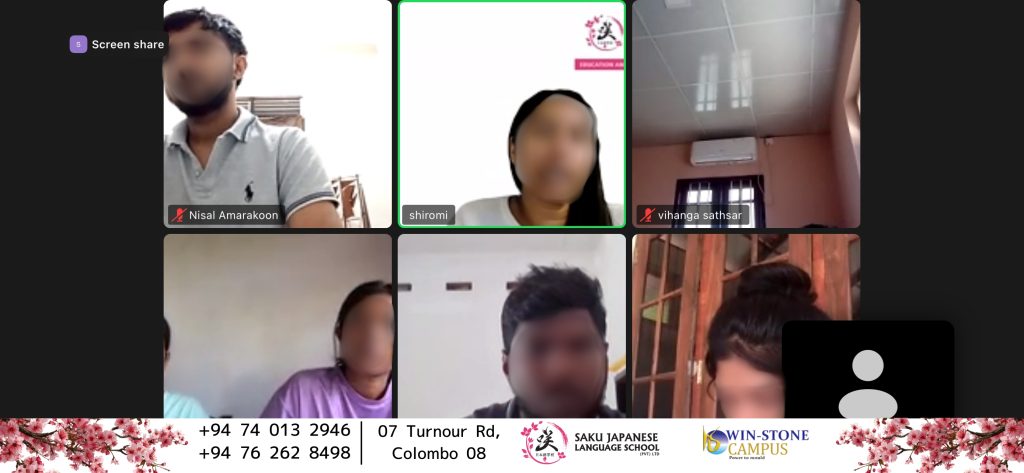
    Mode: Online

    Collaboration: Saku Japanese Language School (Pvt) Ltd × Win-Stone Campus

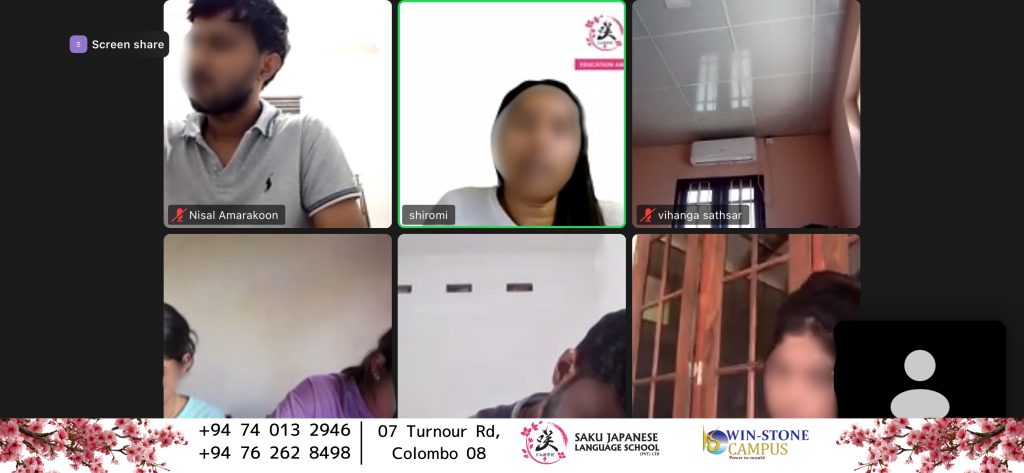
    Our SSW Japanese Food Service Online Class has successfully commenced, providing students with a structured pathway toward employment in Japanese food service and hospitality sector under the Specified Skilled Worker (SSW) program.

    Designed by industry-focused educators, this course emphasises practical communication skills required in real Japanese workplace environments, especially in restaurants, kitchens, and customer service settings.

    What You Will Learn

    • Accurate Japanese pronunciation and natural speaking flow
    • Daily conversations used in restaurants and kitchen operations
    • Essential food service vocabulary (orders, ingredients, preparation, service)
    • Workplace communication and team interaction
    • Japanese etiquette, manners, and work culture Listening and
    • speaking practice with guided sessions

    This online course is ideal for beginners and working individuals who want to gain the language skills needed to succeed in Japanese food service industry.

    In collaboration with Win-Stone Campus, we continue to support students in progressing from language learning to real career opportunities in Japan.

  • ACCOMMODATION

    ACCOMMODATION

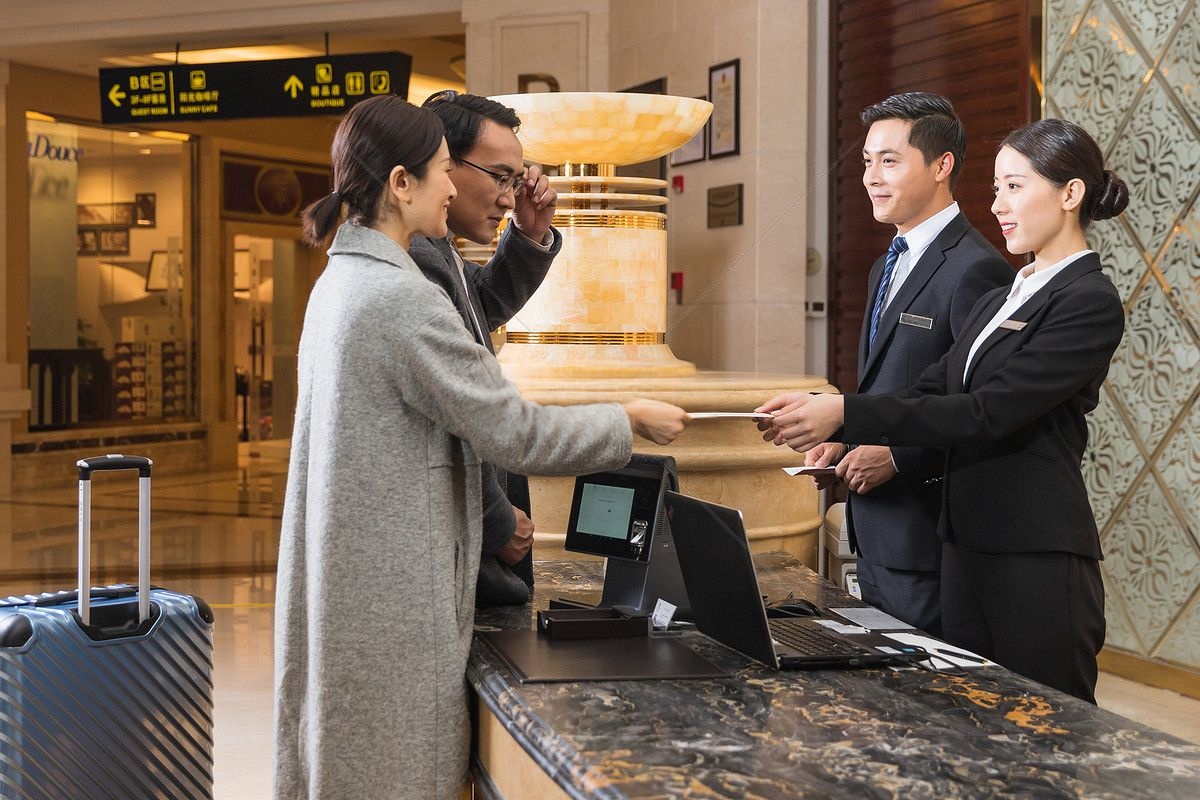
    The Specified Skilled Worker (SSW) Accommodation Visa allows foreign workers to work in Japanese accommodation and hospitality industry, addressing labour shortages in this sector.

    Below are the detailed :

    Age Requirement

    • Applicants must generally be between 18 and 40 years old to qualify for the visa.

    Skills and Qualifications

    • SSW Accommodation Skill Evaluation Test
    • Japanese Language Proficiency Test (JLPT) N4 or higher, or Japan Foundation Test for Basic Japanese (JFT-Basic).
    • Basic communication skills are required to interact with colleagues and understand instructions.
    • While prior experience is not mandatory, it is highly advantageous.
    • Applicants who have completed Japanese Technical Intern Training Program (TITP) in Accommodation Industry may have their skills recognised, simplifying the visa process.

    Health and Fitness

    • Applicants must be in good physical and mental health to perform hospitality-related tasks, which may include long hours and physical labour.

    Benefits

    • Employment Opportunities – Access to stable and well-paying jobs in Japanese hospitality and accommodation sector.
    • Skill Development – Gain valuable skills and experience in hospitality management, guest relations, and cultural exchange.
    • Fair Wages – Receive wages equal to or higher than Japanese workers in the same roles, ensuring fair treatment.
    • Support Services – Employers assist with housing, cultural orientation, and language training to help workers adapt to life in Japan.
    • Pathway to Long-Term Residency – The accommodation field offers opportunities for stable long-term employment in Japan and potential pathways to extend residency through career development and advanced industry qualifications.

    By fulfilling these requirements and understanding the scope of work, applicants can successfully secure the SSW Accommodation Industry Visa and contribute to Japanese growing hospitality and lodging sector.

  • AIRPORT GROUND HANDLING

    AIRPORT GROUND HANDLING

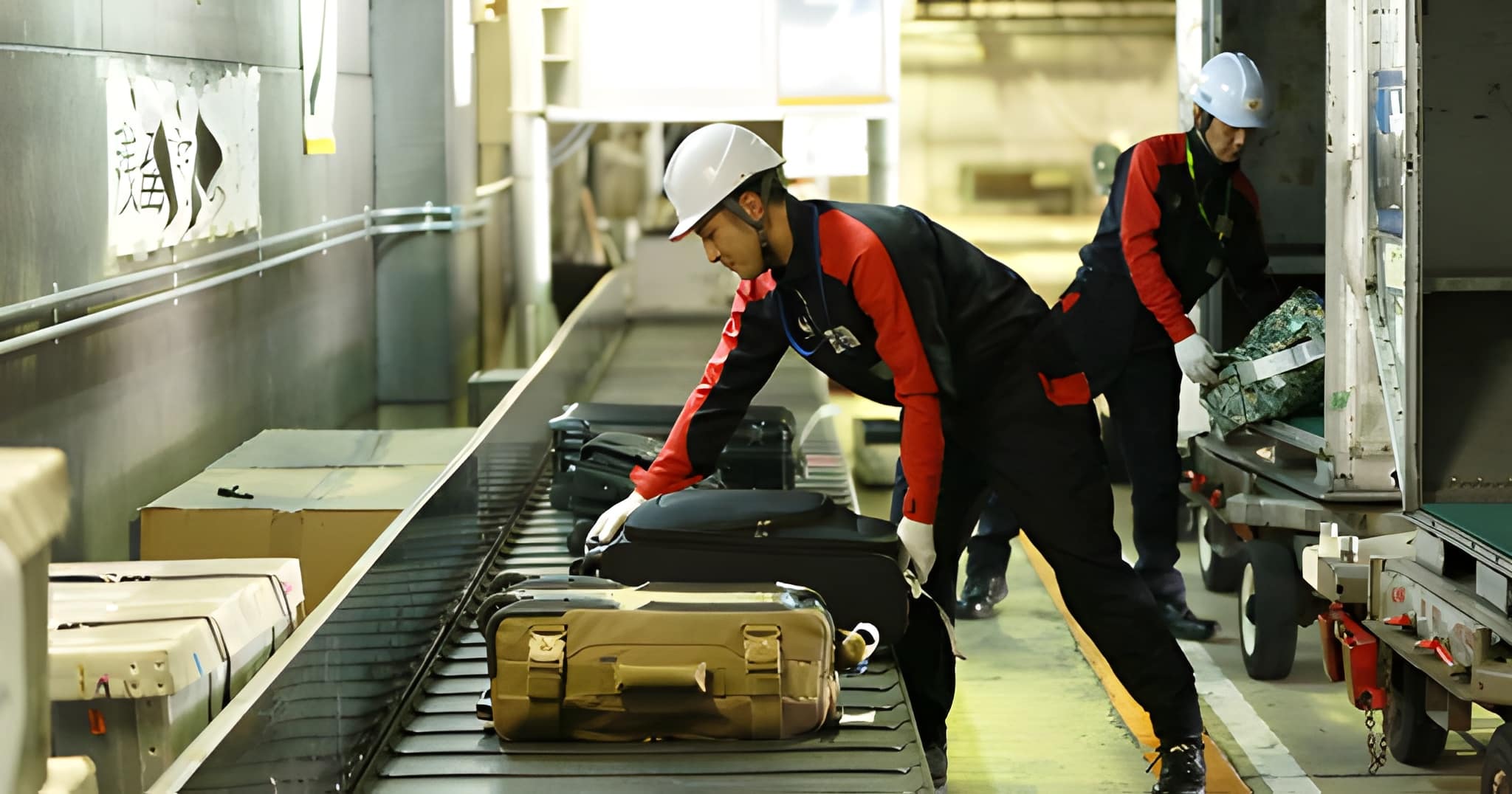
    The Specified Skilled Worker (SSW) Visa for Airport Ground Handling is designed to attract foreign workers to address labour shortages in airport operations in Japan. This visa allows skilled individuals to work in ground handling roles, including baggage handling, passenger services, and aircraft maintenance support.

    Below are the detailed :

    Age Requirement

    • Applicants must generally be between 18 and 40 years old to qualify for the visa.

    Skills and Qualifications

    • Driving License
    • SSW Airport Ground Handling Skill Evaluation Test
    • Japanese Language Proficiency Test (JLPT) N4 or higher, or Japan Foundation Test for Basic Japanese (JFT-Basic).
    • Basic communication skills are required to interact with colleagues and understand instructions.
    • While prior experience is not mandatory, it is highly advantageous.
    • Applicants who have completed Japanese Technical Intern Training Program (TITP) in Airport Ground Handling Industry may have their skills recognised, simplifying the visa process.

    Health and Fitness

    • Applicants must be in good physical and mental health to perform hospitality-related tasks, which may include long hours and physical labour.

    Benefits

    • Employment Opportunities – Access to stable job opportunities in Japan’s airport ground handling sector, including aircraft support, baggage handling, and passenger service operations.
    • Skill Development – Gain practical skills and professional experience in airport operations, safety procedures, teamwork, and international service standards.
    • Fair Wages – Receive wages and employment benefits that are equal to or comparable with Japanese workers performing the same duties.
    • Support Services – Employers provide support such as accommodation assistance, workplace guidance, and language support to help workers adjust to life and work in Japan.
    • Pathway to Long-Term Residency – The SSW program allows workers to build a long-term career in Japan’s aviation industry with opportunities to extend their stay depending on visa conditions.

    By fulfilling these requirements and understanding the scope of work, applicants can successfully secure the SSW Airport Ground Handling Industry Visa and contribute to Japanese efficient and high-standard aviation support services sector.

  • AUTOMOBILE MAINTENANCE

    AUTOMOBILE MAINTENANCE

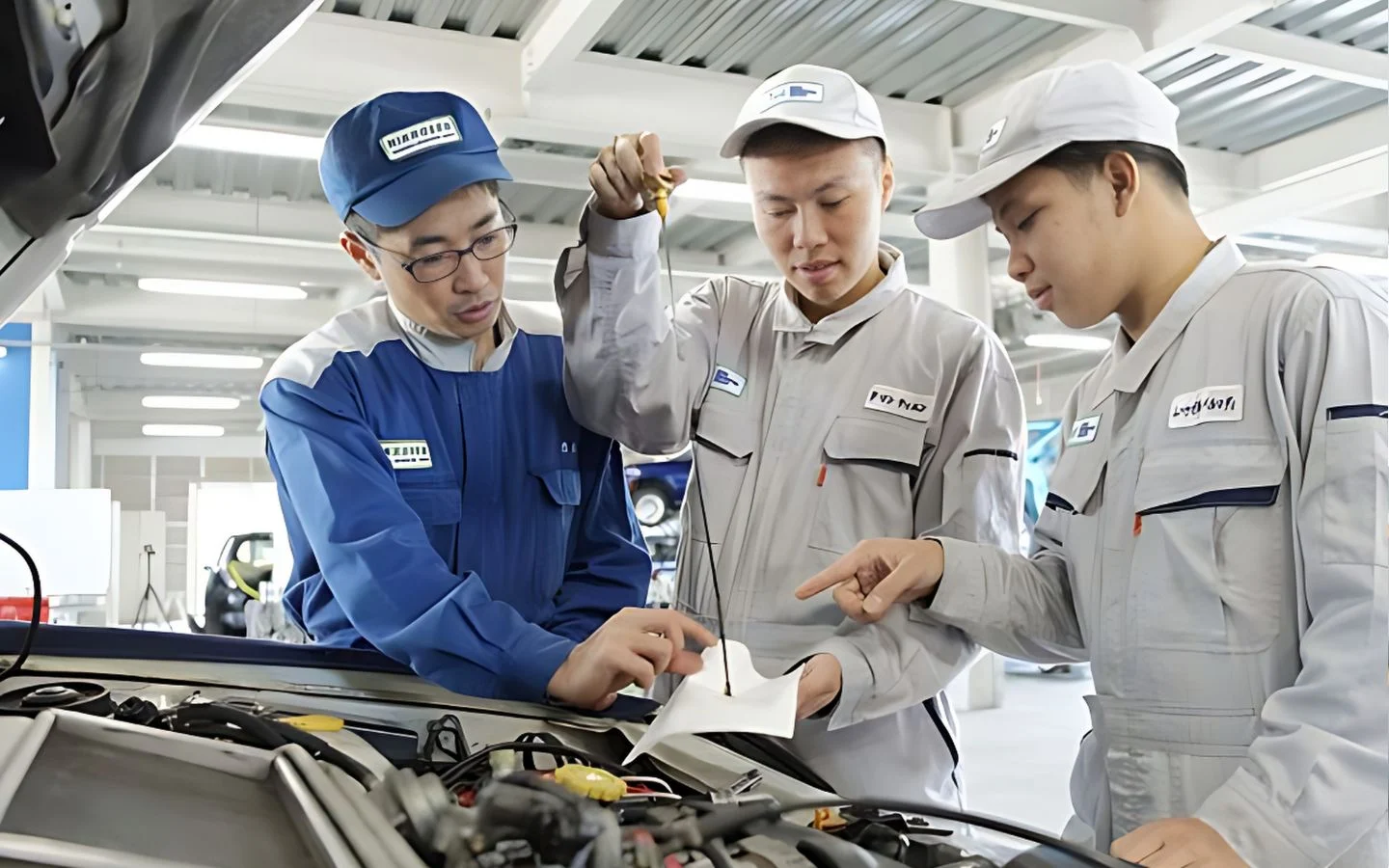
    The Specified Skilled Worker (SSW) Automobile Maintenance Industry Visa allows foreign workers to work in Japanese automotive repair and maintenance sector.

    Below are the detailed :

    Age Requirement

    • Applicants must generally be between 18 and 40 years old to qualify for the visa.

    Skills and Qualifications

    • SSW Automobile Maintenance Skill Evaluation Test
    • Japanese Language Proficiency Test (JLPT) N4 or higher, or Japan Foundation Test for Basic Japanese (JFT-Basic).
    • Basic communication skills are required to interact with colleagues and understand instructions.
    • While prior experience is not mandatory, it is highly advantageous.
    • Applicants who have completed Japanese Technical Intern Training Program (TITP) in Automobile Maintenance Industry may have their skills recognised, simplifying the visa process.

    Health and Fitness

    • Applicants must be in good physical condition to perform technical and manual repair tasks.

    Benefits

    • Employment Opportunities – Work in vehicle repair shops, dealerships, and service centres.
    • Skill Development – Gain technical expertise in automobile maintenance and repair.
    • Fair Wages – Compensation equal to Japanese workers in similar roles.
    • Support Services – Employers assist with accommodation, language, and workplace orientation.
    • Pathway to Long-Term Residency – Opportunity to continue a long-term career in Japanese automotive sector.

    By fulfilling these requirements and understanding the scope of work, applicants can successfully secure the SSW Automobile Maintenance Industry Visa and contribute to Japanese advanced automotive service and maintenance sector.

  • BUILDING CLEANING

    BUILDING CLEANING

    The Specified Skilled Worker (SSW) Building Cleaning Industry Visa allows foreign workers to work in Japanese building cleaning and facility maintenance sector, helping address labour shortages in this essential industry.

    Below are the detailed :

    Age Requirement

    • Applicants must generally be between 18 and 40 years old to qualify for the visa.

    Skills and Qualifications

    • SSW Building Cleaning Skill Evaluation Test
    • Japanese Language Proficiency Test (JLPT) N4 or higher, or Japan Foundation Test for Basic Japanese (JFT-Basic).
    • Basic communication skills are required to interact with colleagues and understand instructions.
    • While prior experience is not mandatory, it is highly advantageous.
    • Applicants who have completed Japanese Technical Intern Training Program (TITP) in Building Cleaning Industry may have their skills recognised, simplifying the visa process.

    Health and Fitness

    • Applicants must be in good physical and mental health to perform cleaning and maintenance tasks, which may include long hours and physical labour.

    Benefits

    • Employment Opportunities – Access to stable and well-paying jobs in Japan’s building cleaning and facility maintenance sector.
    • Skill Development – Gain practical skills and experience in professional cleaning, sanitation, and facility management in Japanese workplaces.
    • Fair Wages – Receive wages and benefits comparable to Japanese workers performing the same roles.
    • Support Services – Employers provide assistance such as accommodation, cultural orientation, and Japanese language training to help workers adapt.
    • Pathway to Long-Term Residency – The SSW program offers opportunities for workers to continue building a long-term career in Japanese cleaning industry and potentially extend their residency.

    By fulfilling these requirements and understanding the scope of work, applicants can successfully secure the SSW Building Cleaning Industry Visa and contribute to Japanese professional facility maintenance and sanitation sector.

  • CAREGIVER

    CAREGIVER

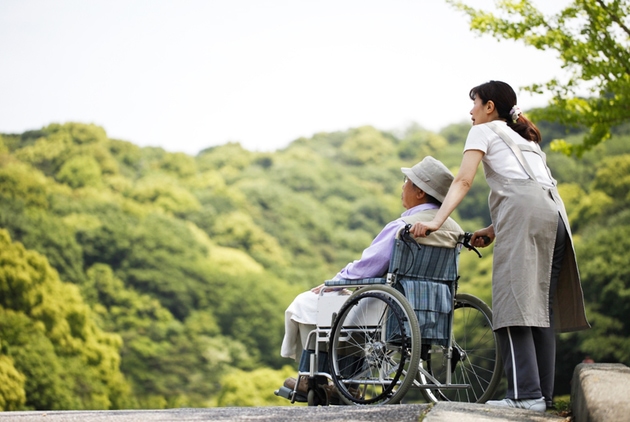
    The Specified Skilled Worker (SSW) Caregiver Visa allows foreign workers to work in Japanese Elder care and Nursing Industry, addressing labour shortages in this sector.

    Below are the detailed :

    Age Requirement

    • Applicants must generally be between 18 and 40 years old to qualify for the visa.

    Skills and Qualifications

    • SSW Nursing Care Skill Evaluation Test
    • Japanese Language Proficiency Test (JLPT) N4 or higher, or Japan Foundation Test for Basic Japanese (JFT-Basic).
    • Basic communication skills are required to interact with colleagues and understand instructions.
    • While prior experience is not mandatory, it is highly advantageous.
    • Applicants who have completed Japanese Technical Intern Training Program (TITP) in Caregiver Industry may have their skills recognised, simplifying the visa process.

    Health and Fitness

    • Applicants must be in good physical and mental health to perform hospitality-related tasks, which may include long hours and physical labour.

    Benefits

    • Employment Opportunities – Access to stable and meaningful job opportunities in Japan’s elderly care and welfare facilities, supporting the country’s growing need for care giving professionals.
    • Skill Development – Gain valuable skills and hands-on experience in elderly care, patient support, rehabilitation assistance, and Japanese care giving practices.
    • Fair Wages – Receive salaries and employment benefits that are equal to or comparable with Japanese workers in the same care giving roles.
    • Support Services – Employers often provide assistance such as accommodation support, cultural orientation, and Japanese language training to help workers adapt to living and working in Japan.
    • Pathway to Long-Term Residency – The care giving field offers opportunities for long-term employment in Japan and potential pathways to extend residency through advanced qualifications.

    By fulfilling these requirements and understanding the scope of work, applicants can successfully secure the SSW Caregiver Visa and contribute to Japanese essential healthcare and elderly care sector.

  • CONSTRUCTION

    CONSTRUCTION

    The Specified Skilled Worker (SSW) Construction Industry Visa allows foreign workers to join Japanese construction sector, supporting labour needs in building and infrastructure projects.

    Below are the details :

    Age Requirement

    • Applicants must generally be between 18 and 40 years old to qualify for the visa.

    Skills and Qualifications

    • SSW Construction Skill Evaluation Test
    • Japanese Language Proficiency Test (JLPT) N4 or higher, or Japan Foundation Test for Basic Japanese (JFT-Basic).
    • Basic communication skills are required to interact with colleagues and understand instructions.
    • While prior experience is not mandatory, it is highly advantageous.
    • Applicants who have completed Japanese Technical Intern Training Program (TITP) in Construction Industry may have their skills recognised, simplifying the visa process.

    Health and Fitness

    • Applicants must be physically fit for manual labour and able to work in varying weather conditions.

    Benefits

    • Employment Opportunities – Stable jobs in construction and civil engineering projects.
    • Skill Development – Hands-on experience in modern construction techniques and safety practices.
    • Fair Wages – Equal pay and benefits comparable to Japanese workers.
    • Support Services – Assistance with housing, cultural orientation, and language training.
    • Pathway to Long-Term Residency – Opportunities to build a long-term career in Japanese construction sector.

    By fulfilling these requirements and understanding the scope of work, applicants can successfully secure the SSW Construction Industry Visa and contribute to Japanese rapidly developing infrastructure and construction sector.

  • FOOD SERVICE

    FOOD SERVICE

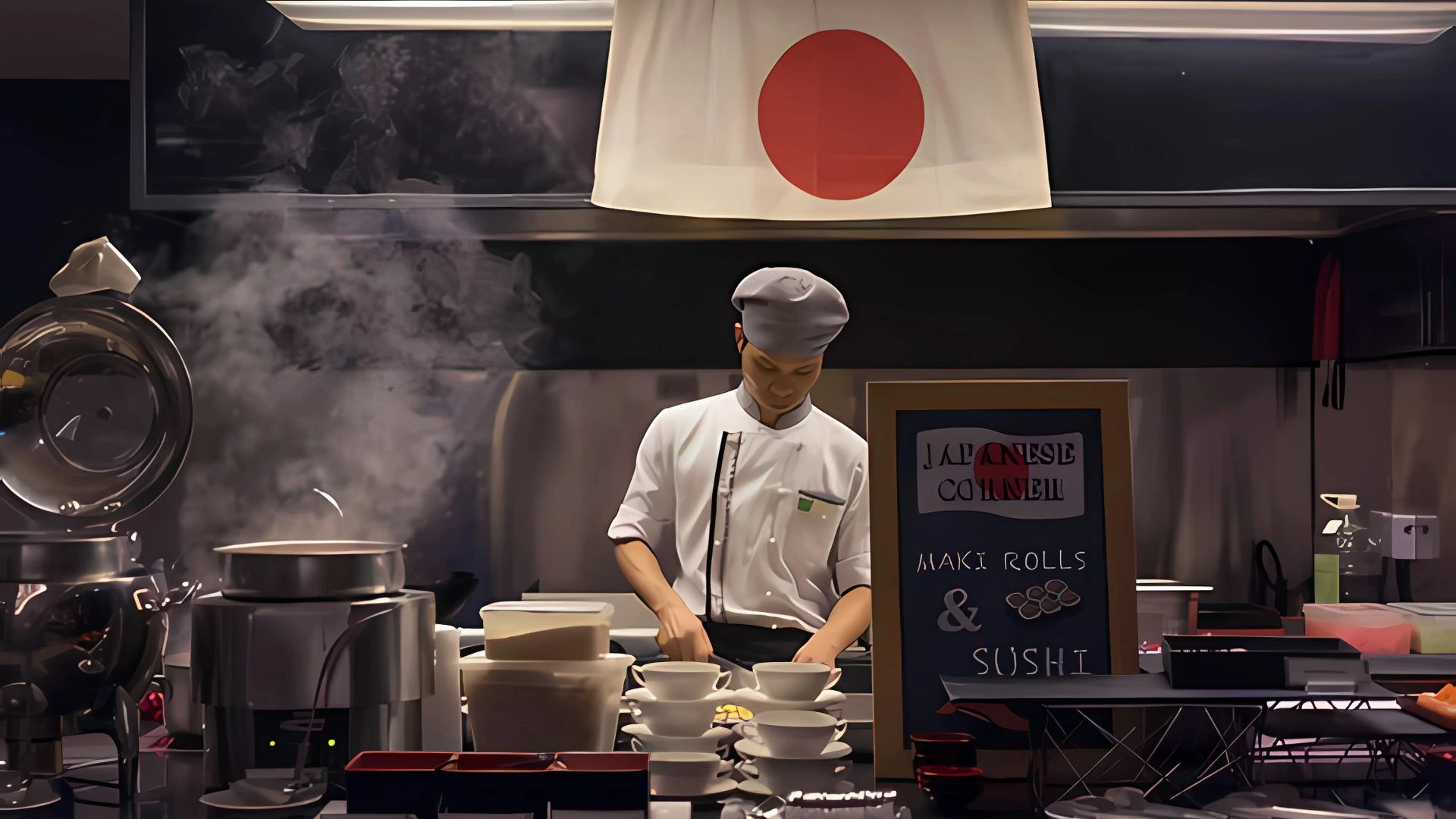
    The Specified Skilled Worker (SSW) Food Service Industry Visa allows foreign workers to work in Japanse restaurants, hotels, and catering sectors, addressing labour shortages in the food service industry.

    Below are the details :

    Age Requirement

    • Applicants must generally be between 18 and 40 years old to qualify for the visa.

    Skills and Qualifications

    • SSW Food Service Skill Evaluation Test
    • Japanese Language Proficiency Test (JLPT) N4 or higher, or Japan Foundation Test for Basic Japanese (JFT-Basic).
    • Basic communication skills are required to interact with colleagues and understand instructions.
    • While prior experience is not mandatory, it is highly advantageous.
    • Applicants who have completed Japanese Technical Intern Training Program (TITP) in Food Service Industry may have their skills recognised, simplifying the visa process.

    Health and Fitness

    • Applicants must be in good physical and mental health to perform food service tasks, which may include long hours and standing work.

    Benefits

    • Employment Opportunities – Access to stable jobs in restaurants, hotels, and catering services.
    • Skill Development – Gain professional experience in food preparation, service, and hygiene.
    • Fair Wages – Receive salaries and benefits comparable to Japanese workers.
    • Support Services – Employers provide accommodation, language guidance, and cultural orientation.
    • Pathway to Long-Term Residency – Opportunity for career advancement and extended stay in Japan.

    By fulfilling these requirements and understanding the scope of work, applicants can successfully secure the SSW Food Service Industry Visa and contribute to Japanese vibrant food service and hospitality sector.

  • FOOD AND BEVERAGE MANUFACTURING

    FOOD AND BEVERAGE MANUFACTURING

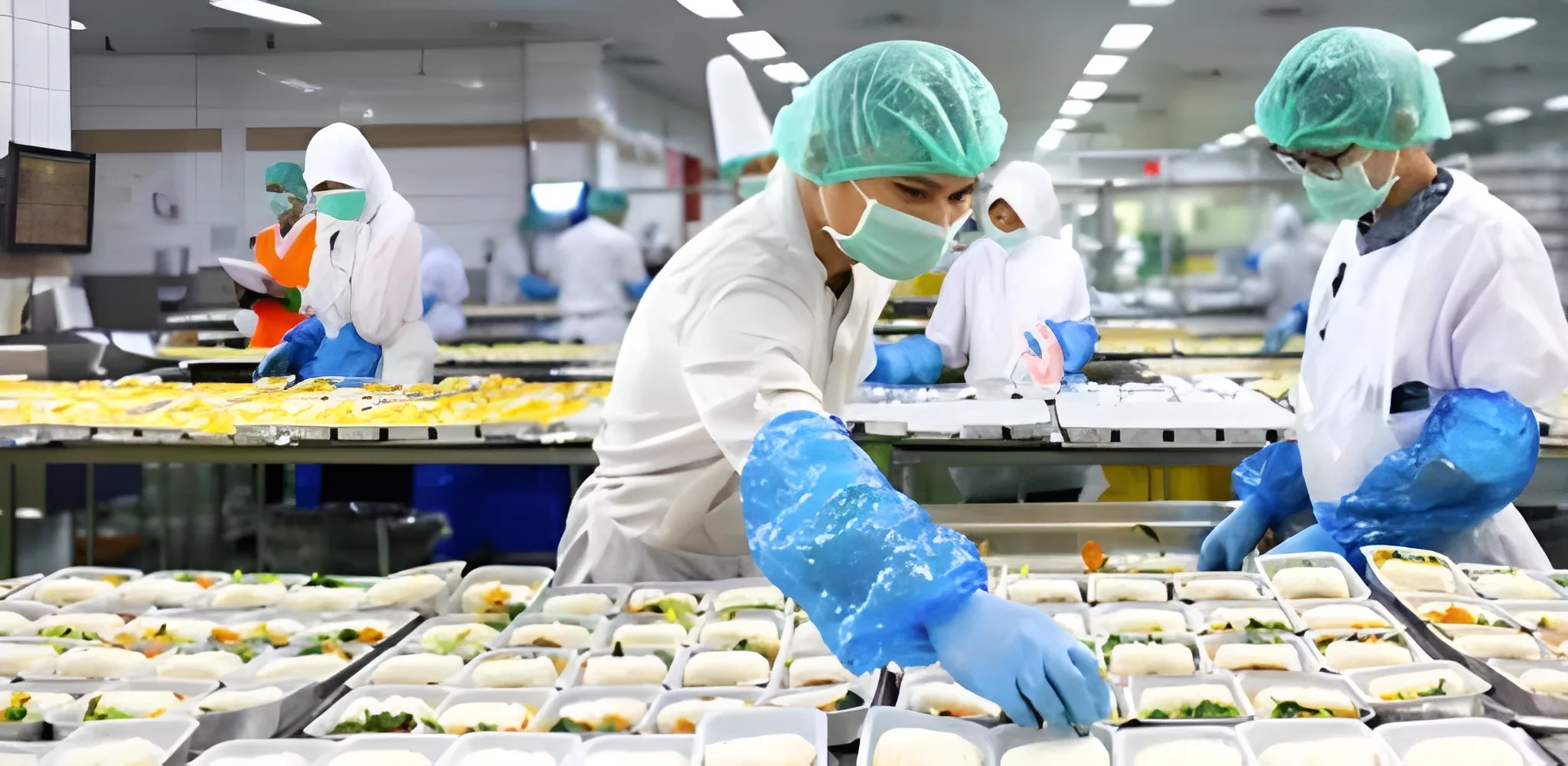
    The Specified Skilled Worker (SSW) Food and Beverage Manufacturing Visa allows foreign workers to work in Japanese food production and processing industry, addressing labour shortages in this sector.

    Below are the details :

    Age Requirement

    • Applicants must generally be between 18 and 40 years old to qualify for the visa.

    Skills and Qualifications

    • SSW Food and Beverages Skill Evaluation Test
    • Japanese Language Proficiency Test (JLPT) N4 or higher, or Japan Foundation Test for Basic Japanese (JFT-Basic).
    • Basic communication skills are required to interact with colleagues and understand instructions.
    • While prior experience is not mandatory, it is highly advantageous.
    • Applicants who have completed Japanese Technical Intern Training Program (TITP) in Food and Beverages Manufacturing Industry may have their skills recognised, simplifying the visa process.

    Health and Fitness

    • Applicants must be in good physical and mental health to handle the physically demanding tasks involved in work.

    Benefits

    • Employment Opportunities – This visa allows skilled workers to gain stable employment in Japan’s food and beverage manufacturing industry with recognised companies.
    • Skill Development – Workers can improve their technical knowledge and gain valuable hands-on experience by working in advanced Japanese manufacturing environments.
    • Fair Wages – SSW visa holders receive salaries and employment benefits that are generally equal to those of Japanese workers performing similar duties.
    • Pathway to Long-Term Residency – The SSW system provides opportunities for workers to continue their careers in Japan and potentially extend their stay for a longer period depending on the visa category.
    • Support Services – Employers assist with housing, cultural orientation, and language training to help workers adapt to life in Japan.

    By fulfilling these requirements and understanding the scope of work, applicants can successfully secure the SSW Food and Beverage Manufacturing Industry Visa and contribute to Japanese growing food production and manufacturing sector.